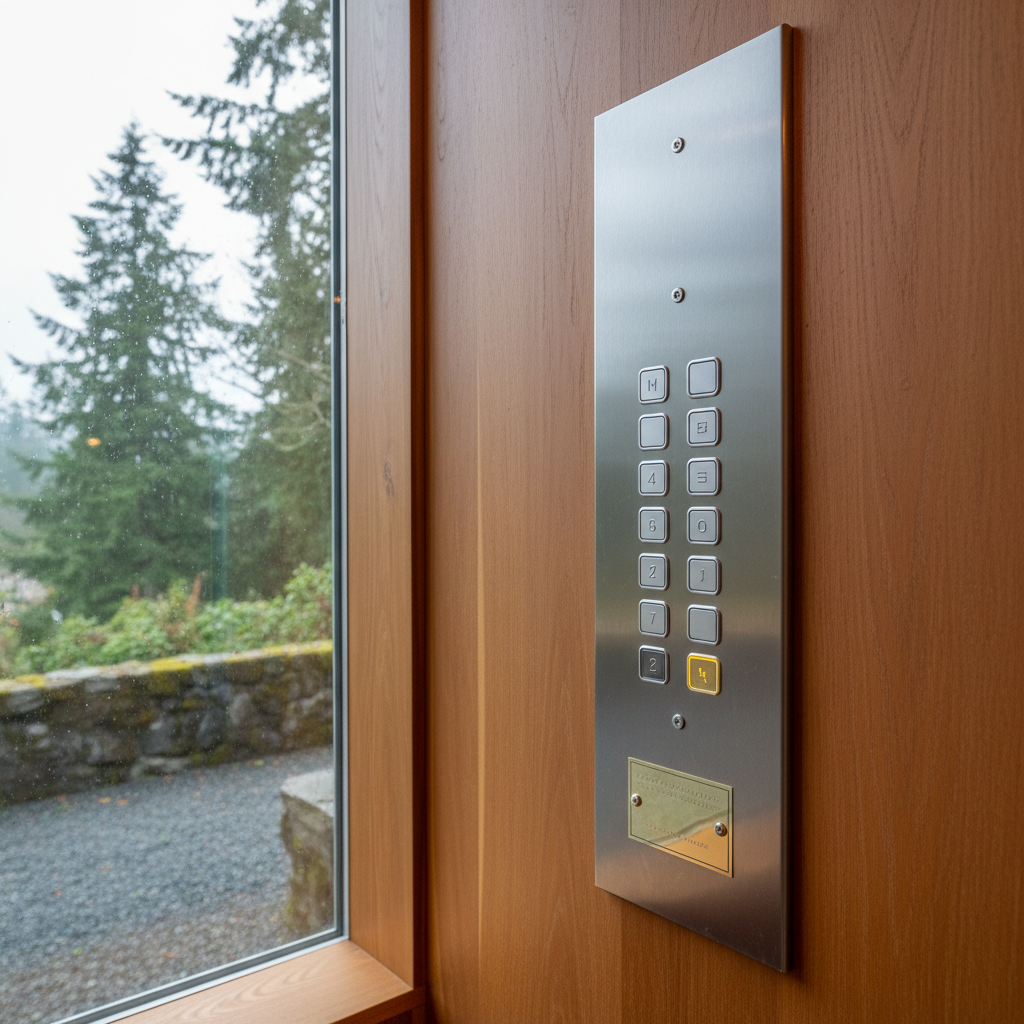
Alright, let's talk about your home elevator. You've got one, and that's great – they add a lot to a house, especially with Seattle's hills and multi-story homes. But like any piece of complex machinery, it needs looking after. I get a lot of the same questions from folks around Queen Anne, Capitol Hill, and other neighborhoods about what's really involved in keeping their home elevator in top shape. So, I figured I'd lay it all out for you, no fluff, just the facts.
How often does my home elevator really need maintenance?
This is probably the most common question I get, and for good reason. You want to make sure it's safe and reliable without spending money you don't need to. For most residential elevators, I recommend a professional service visit at least once a year. Some manufacturers might even specify every six months, especially for hydraulic units or elevators that see heavy use – maybe you've got a busy household, or it's a multi-generational home. Think of it like your car. You wouldn't skip an oil change for years and expect it to run perfectly, would you? Same goes here. Regular checks catch small issues before they become big, expensive problems.
What does a routine maintenance visit actually include?
When one of my guys from Olympic Elevator Company comes out, we're not just kicking the tires. It's a pretty thorough inspection. We'll check all the critical components: the motor, controller, ropes or cables (if it's a traction unit), hydraulic fluid levels and lines (for hydraulic units), door interlocks, safety circuits, and the emergency stop button. We're looking for wear and tear, loose connections, proper lubrication, and making sure all the safety features are functioning exactly as they should. We'll also clean out any dust or debris that's built up in the pit or around the machinery – you'd be surprised what can accumulate down there, especially in older homes with dusty basements.
Can I do any maintenance myself to save money?
Look, I appreciate the DIY spirit, but when it comes to home elevators, there's not much you should be doing yourself beyond basic cleaning. You can certainly keep the car interior tidy, wipe down the walls, and make sure the track for the car doors is clear of obstructions. If you see something obvious, like a loose screw on a non-critical panel or a light bulb out, sure, you can handle that. But anything involving the mechanical, electrical, or safety systems? Leave that to the pros. Messing with those components without the right training and tools isn't just risky for the elevator; it's risky for you. It could also void your warranty or cause bigger problems down the line.
My elevator seems to be running fine. Why pay for maintenance if nothing's wrong?
This is a classic one, and I get it. If it ain't broke, why fix it? But that's not how preventative maintenance works. The whole point is to prevent it from breaking in the first place. An elevator that 'seems fine' might have worn cables that are about to fray, a hydraulic leak that's slowly draining fluid, or a safety switch that's getting sticky. These are things you won't notice until they fail, and when they fail on an elevator, it's usually not a minor inconvenience. Regular maintenance extends the life of your unit, ensures its safety, and helps you avoid those sudden, expensive emergency repair calls. Trust me, a planned maintenance visit is always cheaper than an emergency breakdown.
What's the difference between a maintenance contract and just calling you when I need service?
Good question. A maintenance contract, or service agreement, is usually an annual agreement where you pay a set fee for a certain number of visits per year, typically one or two. It often includes things like priority scheduling, discounted rates on parts or labor for repairs, and sometimes even 24/7 emergency service. If you just call us when you need service, you're paying for each visit individually, and you might not get the same priority or discounts. For most homeowners, especially if your elevator is older or gets regular use, a contract just makes sense. It gives you peace of mind and often saves you money in the long run by bundling services and catching issues early.
My elevator is making a new noise. Should I be worried?
Any new, unusual noise from your elevator is a red flag. It could be a minor issue, like something rubbing where it shouldn't, or it could be a sign of a more serious problem with the motor, gears, or other moving parts. Don't ignore it. If you hear grinding, squealing, clunking, or anything that's definitely not the usual hum of operation, stop using the elevator and call us right away. It's always better to be safe than sorry. We can usually diagnose the sound pretty quickly and tell you what's going on.
So, there you have it. Your home elevator is a significant investment in your comfort and accessibility. Treating it right with regular, professional maintenance isn't just about keeping it running; it's about keeping it safe for everyone who uses it. If you've got more questions, or if it's time for that annual check-up, give us a shout at Olympic Elevator Company. We're here to help.