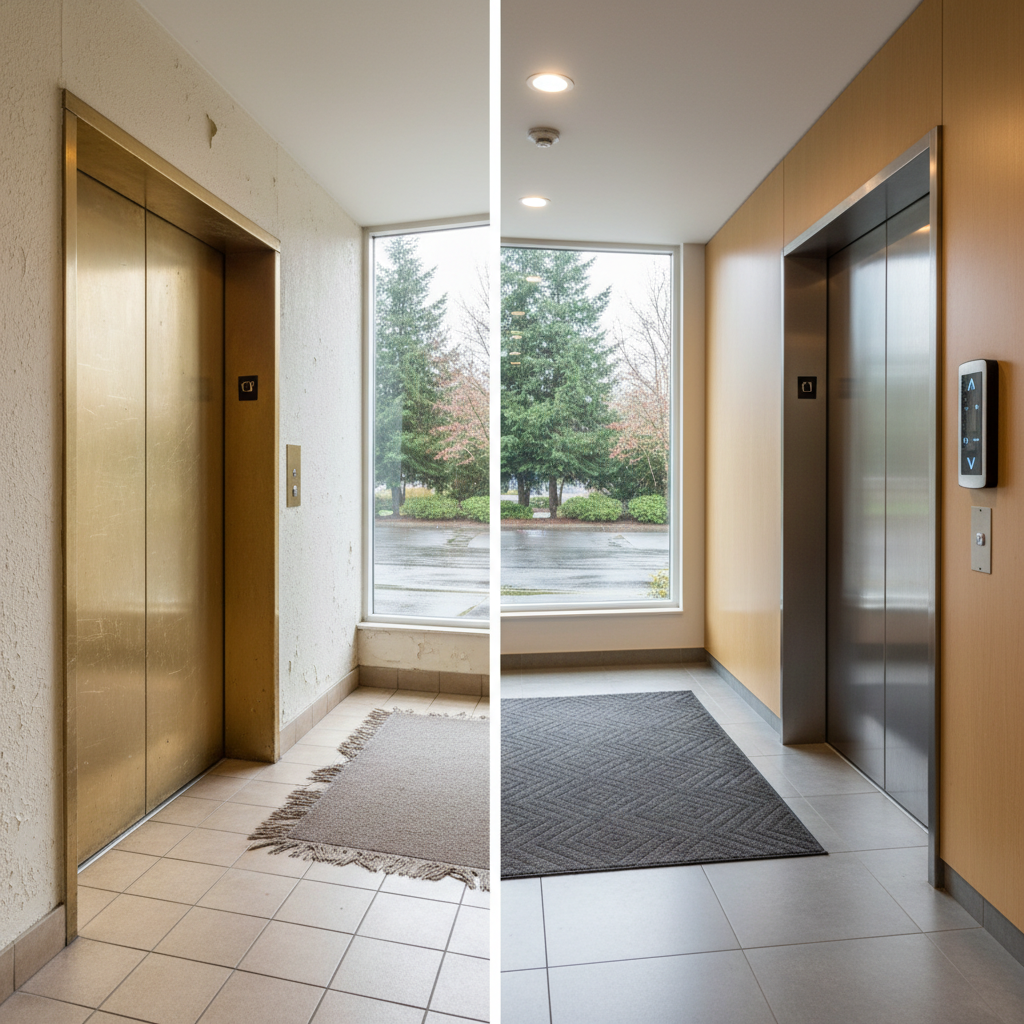
So, your home elevator's getting a bit long in the tooth, huh? Maybe it's making some new noises, or you're just tired of how it looks. You're thinking about modernization, which is smart. It's not just about aesthetics; it's about safety, reliability, and keeping your home's value up. But when you start looking into it, you'll quickly realize there are two main paths: a full-blown, rip-it-all-out-and-start-fresh overhaul, or doing things in stages, piece by piece. Let's talk about what each means for you.
The Full System Overhaul: Rip It Out, Put New In
This is exactly what it sounds like. We're talking about replacing almost everything: the controller, the motor, the hoistway equipment, the cab interior, the door operators, maybe even the rails if they're really old. It's a big project, no doubt about it. Think of it like gutting an old kitchen versus just replacing the appliances.
The Good Stuff About a Full Overhaul:
- Maximum Reliability & Safety: When you replace everything, you're essentially getting a brand-new elevator system. All components are designed to work together seamlessly. This means fewer breakdowns, quieter operation, and the latest safety features. You won't be worrying about an old part failing and leaving you stuck between floors.
- Long-Term Cost Savings: Yeah, the upfront cost is higher, I won't lie. But you're resetting the clock on your elevator's lifespan. You'll have fewer repair calls for old, obsolete parts, and your energy efficiency will likely improve significantly with modern motors and controls. Over 15-20 years, this often works out to be cheaper than constant patch-ups.
- Latest Technology & Features: Want a smoother ride? Better lighting? Smart controls? A full overhaul lets you integrate all the newest tech. You can get things like earthquake-resistant features, which, living in Seattle, isn't a bad idea, especially if you're in a hilly neighborhood like Queen Anne or West Seattle.
- Appearance: You get to redesign the entire cab. New finishes, new lighting, new fixtures. It's a chance to really integrate the elevator with your home's current aesthetic.
The Not-So-Good Stuff:
- Big Upfront Cost: This is the main hurdle for most folks. It's a significant investment, often tens of thousands of dollars, depending on the complexity and features.
- Downtime: Your elevator will be out of commission for a while. We're talking weeks, sometimes even a month or more, depending on the scope and how quickly we can get parts. If you rely on that elevator daily, this needs careful planning.
Phased Upgrades: Doing It Piece by Piece
This approach means you're tackling specific components as they wear out or as your budget allows. Maybe you just replace the controller this year, then the cab interior next year, and the door operator a few years down the line. It's like upgrading your kitchen appliances one by one instead of a full remodel.
The Good Stuff About Phased Upgrades:
- Budget-Friendly: This is the big one. You spread the cost out over time, making it much more manageable. You can prioritize what's most critical.
- Less Downtime (Usually): Replacing a single component typically means less time the elevator is out of service compared to a full overhaul.
- Addresses Immediate Problems: If your controller is failing, you can just replace the controller without having to fund a whole new system right away.
The Not-So-Good Stuff:
- Compatibility Issues: This is where it gets tricky. Older systems weren't always designed with future upgrades in mind. You might find that a new, modern controller doesn't play nice with your ancient motor or door operator. Sometimes, you end up needing custom fabrication, which adds cost and complexity.
- Limited Reliability Improvement: You're only as strong as your weakest link. If you put a brand-new controller on an old motor, that motor could still fail next month, leading to another repair. You're not getting that 'reset' button on the system's overall lifespan.
- Potentially Higher Long-Term Cost: While the upfront individual costs are lower, the cumulative cost of multiple smaller projects, plus continued repairs on aging components, can sometimes exceed the cost of a full overhaul over a long period. Plus, you might pay more for labor on multiple smaller visits.
- Obsolete Parts: As your elevator ages, finding replacement parts for individual components becomes harder and more expensive. Manufacturers stop making them, and you're left scrambling or paying a premium for refurbished parts.
- Appearance: You can upgrade the cab interior, but you won't get the same cohesive, modern feel if the rest of the system is still clunky and old.
My Recommendation for Seattle Homeowners
Look, I've been doing this for a long time at Olympic Elevator Company, and I've seen both approaches. For most residential homeowners, especially with elevators that are 15-20 years old or more, I almost always recommend a full system overhaul if your budget allows. Here's why:
You get a truly reliable, safe, and efficient system that will serve you well for decades. You eliminate the headaches of chasing down obsolete parts, dealing with intermittent failures, and worrying if the next component is going to give out. The peace of mind alone is worth a lot.
Seattle's a city with a lot of older homes, and while they have character, their old elevator systems often don't. Modernizing fully means you're getting a system built to today's standards, which is a big deal for safety and performance. You also add significant value to your home with a state-of-the-art, dependable elevator.
Phased upgrades can make sense if your elevator is newer (say, 10-15 years old) and only has one or two specific, isolated issues, or if your budget absolutely dictates it. But even then, we need to be realistic about what can be achieved and the potential for future problems.
The best first step? Get a professional assessment. We can come out, look at your specific system, and give you an honest appraisal of its condition and what your options truly are. We'll lay out the costs and benefits for both approaches so you can make an informed decision that's right for your home and your wallet.