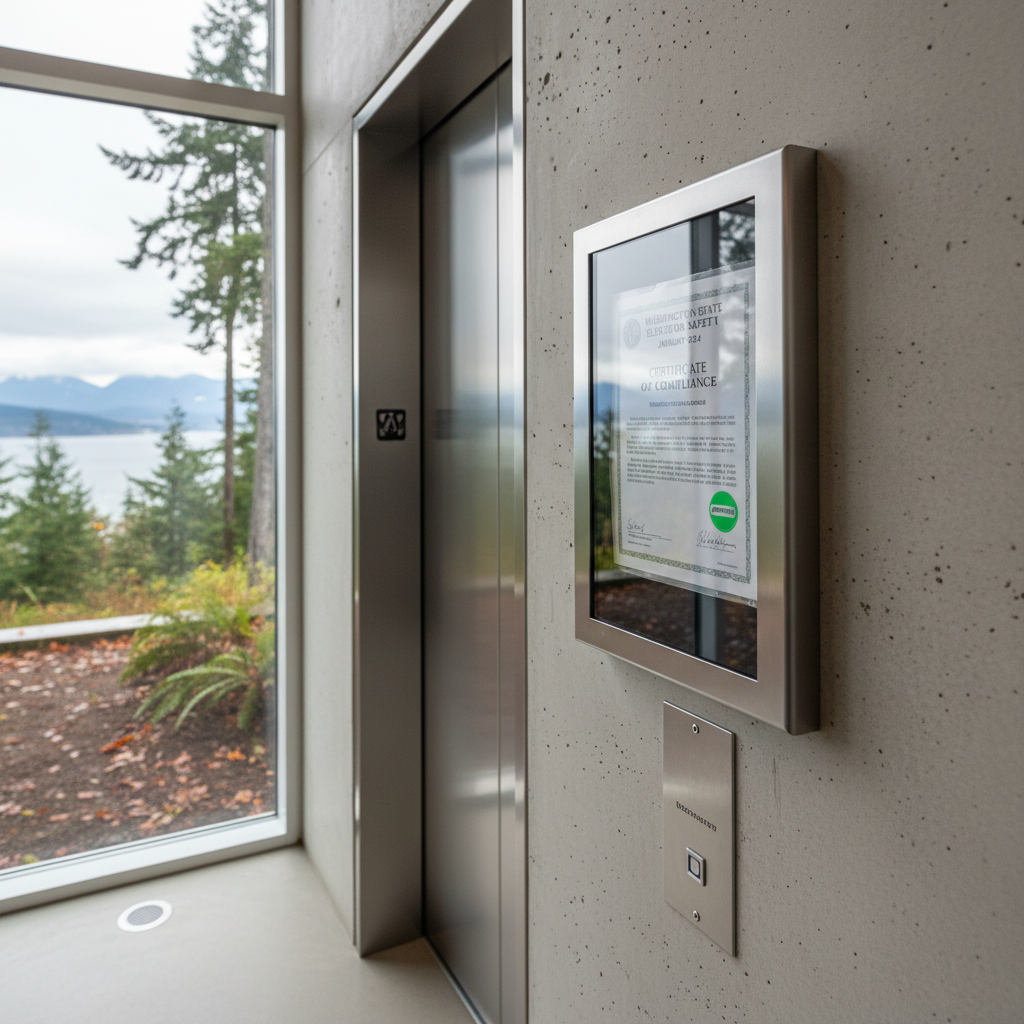
So, you've got a home elevator. Pretty convenient, right? But like any complex machine, it needs some looking after. We're not just talking about keeping it running; we're talking about keeping it safe. Over my years, I've seen firsthand what happens when folks skip the simple stuff, and honestly, it's rarely good. So, let's chat about how you can keep your home elevator in tip-top shape, especially with Seattle's damp climate and all the unique challenges that brings.
Your Elevator's Lifespan: It's Not Just About Luck
Think of your elevator like your car. You wouldn't skip oil changes or tire rotations, would you? Same deal here. Making your elevator last isn't some secret trick; it's all about consistent, proactive care. A big part of that means making sure all the moving parts are clean, greased up, and adjusted just right. Dirt and grime, especially with our city's often wet air, can really gum things up. Keeping the tracks clean and clear of debris prevents wear and tear on rollers and guide shoes. I've even seen elevators in older homes, particularly those built on hills in places like Queen Anne or West Seattle, where foundation shifts can subtly affect alignment over time. Regular checks catch these minor issues before they blow up into major headaches, saving you a ton of money down the road. Believe me.
What Regular Maintenance Looks Like for You
Okay, so what can you actually do? You don't need to be an elevator mechanic, but you can definitely be observant. Twice a month, give your elevator a quick once-over. Listen to it. Does it sound different? Is it making new noises? Pay attention to how it feels. Is the ride smooth, or is it getting jerky? Here are a few things to check:
- Door Operation: Make sure the doors open and close smoothly. They shouldn't stick or slam. Also, check that the safety edges on the car door or gate are working – they should reverse if they hit something.
- Call Buttons & Indicators: Test all the call buttons on each floor and inside the car. Do the floor indicators light up correctly?
- Lighting: Is the car lighting bright and steady? A flickering light could be a minor electrical issue or just a bulb needing a change.
- Emergency Features: This is super important. Test the emergency stop button. It should immediately halt the car. Also, check the alarm bell and the emergency phone or intercom. Can you hear and be heard clearly?
- Cleanliness: Keep the car interior and the door tracks clean. Dust and pet hair can build up surprisingly fast, you know.
These simple checks take just a few minutes, but they give you an early warning system for potential problems.
Warning Signs You Really Shouldn't Ignore
Your elevator will usually tell you when something's not quite right, if you're paying attention. Don't brush off these signals:
- Unusual Noises: Grinding, squealing, clunking, or too much vibration. These are big red flags.
- Uneven Stops: If the car isn't stopping level with the floor, even by an inch, that's a problem. It's a tripping hazard and points to an issue with the leveling system.
- Slow or Erratic Operation: If it's noticeably slower than usual, or if it hesitates and then moves, something's definitely off.
- Door Malfunctions: Doors that don't fully open or close, or that open when the car isn't at a landing, are serious safety concerns.
- Flickering Lights or Power Issues: Beyond a simple bulb, if the car lights dim or flicker during operation, or if the elevator loses power now and then, you need a pro to look at the electrical system.
- Error Codes: Many modern elevators have digital displays that show error codes. Don't ignore them; look up what they mean in your owner's manual or just give us a call.
Ignoring these signs is like ignoring the check engine light in your car. It'll only get worse, and more expensive. Trust me on that one.
When to Call a Professional (That's Us, Olympic Elevator Company)
While your regular checks are important, they don't replace the expertise of a trained technician. You should absolutely call Olympic Elevator Company:
- Annually (at least): Even if everything seems fine, your elevator needs a professional inspection and preventative maintenance at least once a year. This is where we check things you can't, like motor health, cable tension, hydraulic fluid levels, safety circuits, and control systems. We'll spot wear on components before they fail.
- Immediately for any warning sign: If you notice any of the warning signs I just mentioned, don't wait. A small issue can quickly turn into a major repair or, worse, a safety hazard.
- After any power outage or surge: Seattle's weather can be wild, and power fluctuations happen. It's a good idea to have your elevator checked after a significant power event, just to be sure no sensitive electronics were damaged.
- If you hear about a recall: Stay informed about your elevator model. If there's a recall on a specific part, call us to check if it applies to your unit.
Your home elevator is a significant investment in your comfort and accessibility. Keeping it safe and reliable means staying on top of its maintenance. A little vigilance on your part, combined with expert annual service, will ensure your elevator serves you well for decades.