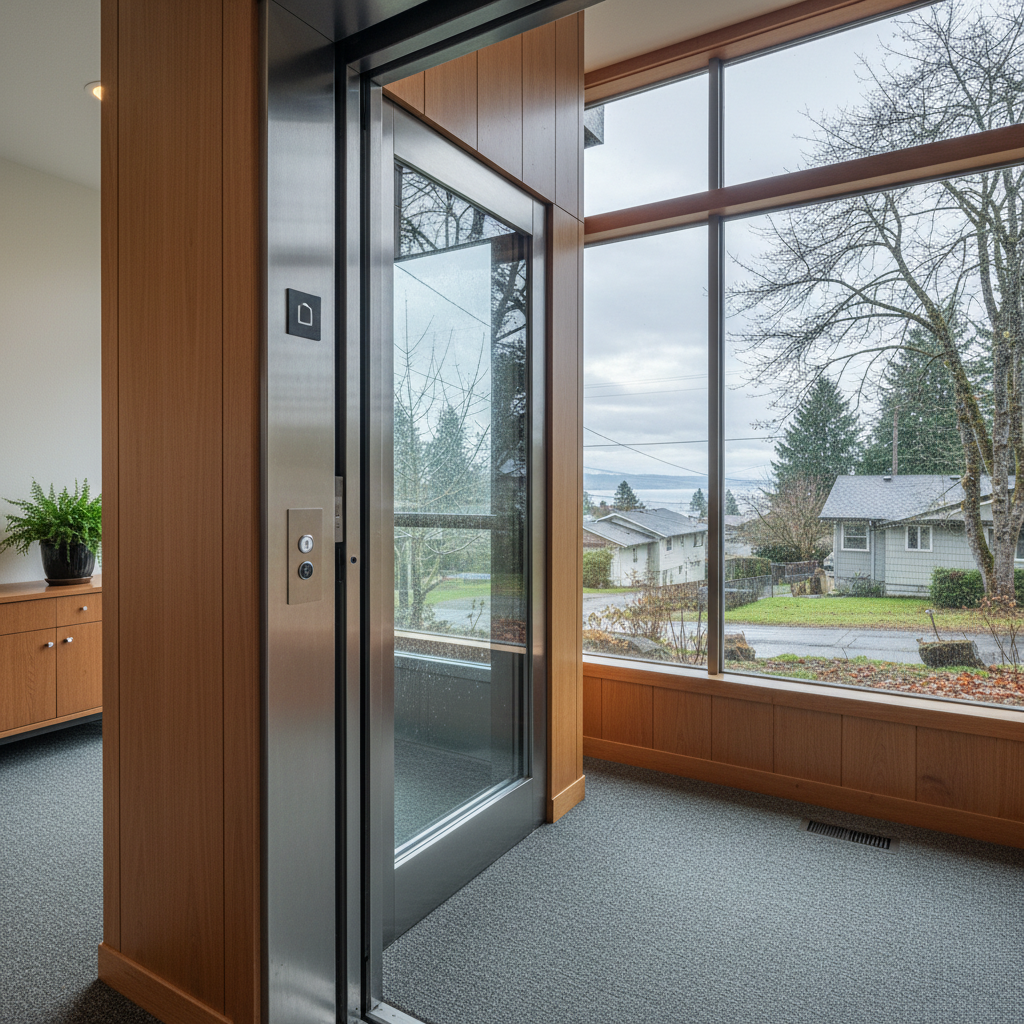
You've got a home elevator, that's a great convenience. But are you thinking about how Seattle's weather impacts it? Most folks don't, not until something acts up. I've been doing this a long time, and I can tell you, our local climate, from those long, damp winters to surprisingly dry summers, plays a big role in how your elevator performs and how long it lasts.
Preventative maintenance isn't just about ticking boxes; it's about anticipating problems before they become expensive headaches. And when it comes to elevators in the Pacific Northwest, 'seasonal' means something specific.
Why Seattle's Climate Demands Specific Elevator Care
Let's talk about moisture. We get a lot of it, especially from October through May. That constant dampness, even if it's not directly raining on your elevator, affects everything. It can lead to corrosion on electrical contacts, rust on metal components, and can even mess with the lubrication. If your home is older, or maybe you're in a neighborhood like West Seattle or Queen Anne where homes sit on hillsides, you might even deal with more ambient moisture or groundwater issues in your basement or crawl space, which can impact pit components.
Then there's the temperature swings. We don't get extreme heat often, but we do get those cold snaps, and then warmer, drier periods. These fluctuations cause materials to expand and contract. Over time, this can loosen connections, affect fluid viscosity in hydraulic systems, and even stress wiring. It's not usually a sudden failure, but a slow degradation that builds up.
When to Schedule Your Maintenance: Timing is Key
For most home elevators, I recommend at least two preventative maintenance visits a year. For some, especially older units or those in high-use situations, three might be better. But when you schedule them makes a difference.
- Late Fall (October/November): This is crucial. Before the really heavy, consistent rains set in, we want to check everything. We're looking for any signs of moisture intrusion, making sure all electrical connections are sound, and that the lubrication is ready for colder, damp conditions. It's about sealing things up and getting ready for winter's assault.
- Late Spring (April/May): After the bulk of the rainy season, it's time for another check-up. We're assessing any wear and tear from the winter, cleaning out any accumulated dust or debris that might have been drawn in, and ensuring everything is properly lubricated for the drier, warmer months ahead. This is also a good time to check for any pest activity that might have sought shelter during the cold.
If you're only doing one visit a year, I'd lean towards that late fall appointment. Getting ahead of the wet season is often more critical for preventing long-term damage.
Protecting Your Investment Year-Round
Beyond scheduled maintenance, there are things you can do as a homeowner to protect your elevator.
- Monitor for Leaks: This sounds obvious, but seriously, keep an eye on your basement or around the elevator pit. Even a small, slow leak can cause major problems over time. If you see water, call a plumber, then call us at Olympic Elevator Company to inspect for damage.
- Control Humidity: If your elevator is in a basement or garage, consider a dehumidifier, especially during the wetter months. Keeping the ambient humidity down will do wonders for preventing corrosion and keeping electrical components happy.
- Keep it Clean: Dust and debris can build up, especially in the pit. While we handle the deep cleaning during maintenance, a quick vacuum around the landing doors and inside the cab can help. Just be careful not to spray cleaning products directly into any control panels or vents.
- Listen and Observe: You use your elevator regularly. If you start hearing new noises – squeaks, grinding, or anything unusual – or if the ride feels different, don't ignore it. That's your elevator telling you something. Give us a call. It's almost always cheaper to address a small issue early than to wait until it becomes a breakdown.
Your home elevator is a significant investment in your comfort and accessibility. Treating it right, especially with Seattle's unique climate in mind, will ensure it serves you well for years to come. Don't just set it and forget it; be proactive, and it'll thank you for it.