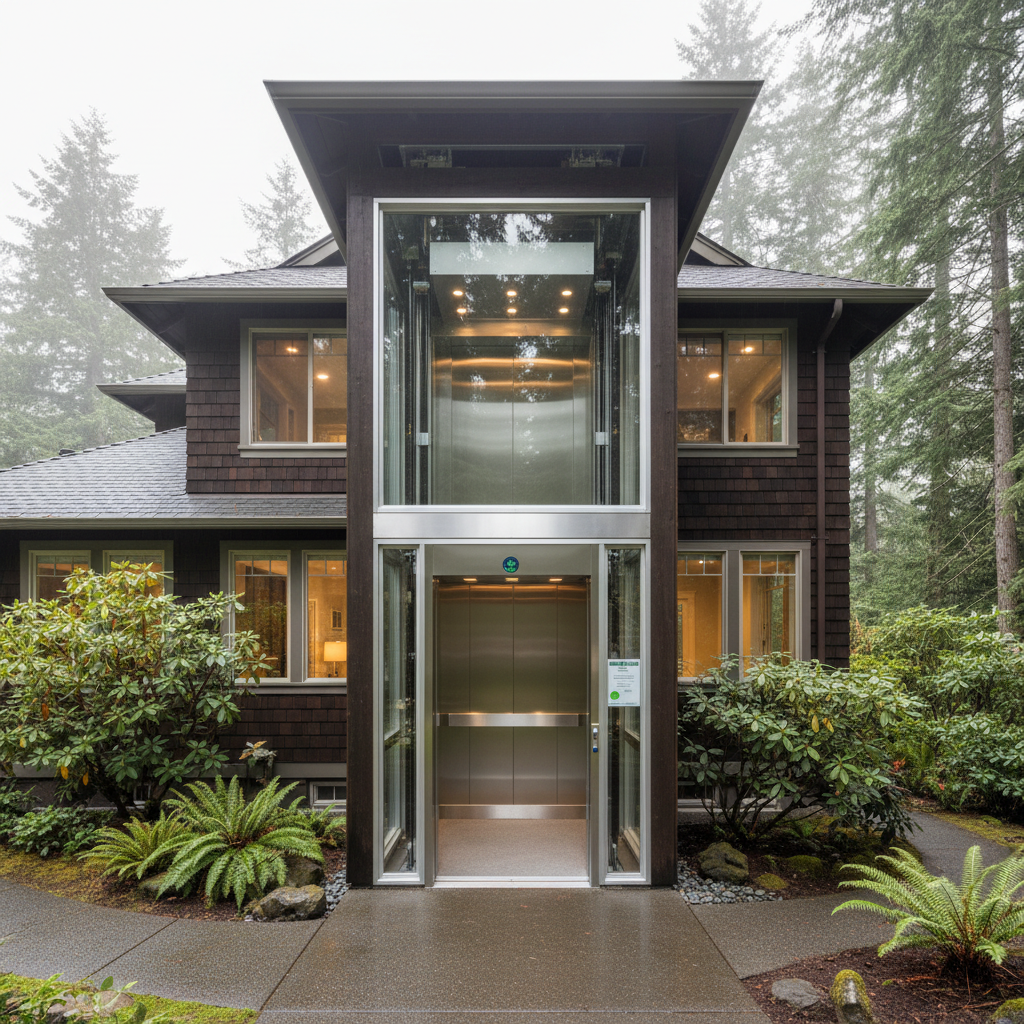
Alright, let's talk about home elevator safety inspections. It's not the most exciting topic, I know, but it's absolutely critical for your peace of mind and, frankly, your wallet. I've seen a lot of folks in Seattle make some pretty common mistakes when they're planning or hiring for these inspections, and I want to help you avoid them. You don't want to regret a shortcut when it comes to safety.
Mistake #1: Waiting for a Problem to Call
This is probably the biggest one. People often think, "My elevator's working fine, so why bother with an inspection?" Or they wait until they hear a funny noise, or worse, until something actually breaks down. That's like waiting for your car's engine to seize up before you get an oil change. Inspections aren't just about fixing what's broken; they're about preventing things from breaking in the first place.
Regular inspections, usually annually, are a requirement in many places, and even if they aren't strictly mandated for your specific residential elevator model in Seattle, they're just plain smart. They catch wear and tear, minor misalignments, and potential electrical issues before they become major, expensive repairs or, God forbid, safety hazards. A good inspector will spot things you'd never notice, like a frayed cable that's still holding but won't be for long, or a safety brake that's a little sluggish. Don't push your luck. Proactive is always cheaper and safer than reactive.
Mistake #2: Going with the Cheapest Bid Without Asking Questions
Everyone wants to save a buck, I get it. Especially with the cost of living around here, whether you're in Queen Anne or West Seattle. But when it comes to something as vital as a safety inspection for an elevator, the cheapest bid can often be the most expensive in the long run. I've seen homeowners jump on a low price only to find out it was for a super basic, rushed visual check that missed critical components. Or, they get hit with a bunch of 'unexpected' add-ons later.
Here's what you need to ask:
- What exactly does this inspection cover? Get a detailed list.
- Are you licensed and insured specifically for elevator work in Washington State?
- What's your experience with my specific type or brand of home elevator?
- Do you provide a written report with findings and recommendations?
- What's your policy if you find something that needs immediate repair?
A reputable company, like us at Olympic Elevator Company, will be transparent about their process and pricing. They won't just give you a number; they'll explain what that number covers.
Mistake #3: Not Understanding the Inspection Report
So, you've had the inspection, and now you've got a report in your hand. It's full of technical jargon, maybe some codes, and a bunch of recommendations. A lot of homeowners just skim it, see a few checkmarks, and assume everything's good. Or they see a list of 'deficiencies' and panic without understanding the severity.
Don't be afraid to ask your inspector to walk you through the report. Seriously, it's their job. Have them explain:
- What each finding means in plain English.
- Which items are critical safety issues that need immediate attention.
- Which are maintenance recommendations that can wait a bit but shouldn't be ignored.
- Why a particular repair or adjustment is necessary.
You should feel empowered by the information, not overwhelmed. If an inspector can't or won't explain it clearly, that's a red flag right there. You're paying for their expertise, so make sure you're getting it.
Mistake #4: Ignoring Minor Recommendations
This ties into understanding the report. Sometimes an inspection will turn up 'minor' issues – maybe a door sensor that's a little sticky, or a button that occasionally needs a firmer press. It's easy to think, "Oh, it's not a big deal, I'll get to it later." But those minor issues have a nasty habit of becoming major ones. A sticky sensor could lead to the door not closing properly, which could then cause the elevator to stop working altogether, or worse, create a pinch point.
Think of it like the small crack in your foundation that you ignore, only for it to get worse with Seattle's constant rain and shifting soil. Address those small things when they're small. It's almost always less expensive to fix a minor issue than to wait until it cascades into a system-wide problem.
Mistake #5: Not Verifying Credentials and References
This might seem obvious, but you'd be surprised. Anyone can say they're an elevator expert. But are they actually licensed? Do they carry proper insurance? Have they worked on residential systems like yours before? You want someone who knows the specific safety codes and best practices for home elevators, not just commercial ones.
Always ask for proof of licensing and insurance. A legitimate company will have no problem providing it. And don't hesitate to ask for references, especially from other homeowners in the area. A quick phone call can tell you a lot about a contractor's reliability, professionalism, and the quality of their work. You're letting someone into your home to work on a complex piece of machinery; you need to trust them.
So, there you have it. Avoid these pitfalls, and your home elevator safety inspection will be a much smoother, more effective process. It's all about being informed and making smart choices for your home and your family's safety.